Sexual dysfunction is any problem that occurs during any phase of the sexual response cycle that prevents the individual or couple from experiencing physical satisfaction. The condition is caused by physical factors, psychological elements and lifestyle triggers. This health problem affects men and women of all ages.
While intimate wellness is a natural part of human life, millions of people quietly face these challenges alone because of social taboos. At Khul Ke Pucho, we believe it is time to break that silence. Your intimate health is an important part of your overall wellness. In this blog, you will discover a guide breaking down the symptoms, complications, and underlying causes of these intimacy challenges, helping you take your first step toward a happier, healthier life.
What is Sexual Dysfunction?

Healthy intimacy is a highly complex chain reaction that requires your brain, your hormones, your nervous system, and your blood circulation to work together in perfect harmony.
If even one part of this internal network is disrupted by stress, fatigue, or illness, the entire process can stall. It is highly important to realise that sexual dysfunction is a very common and treatable medical reality.
The Four Major Categories of Sexual Dysfunction
To make it easier to understand, medical experts divide these challenges into four primary buckets based on how they affect the body and mind:
- Desire Disorders: This happens when a person experiences a persistent, long-term lack of sexual interest or a completely low libido, even in comfortable and romantic settings.
- Arousal Disorders: This is the physical inability to become aroused or maintain excitement during intimacy, such as inadequate natural lubrication in women.
- Orgasm Disorders: This involves the delay or total absence of a climax despite being properly stimulated and emotionally ready.
- Pain Disorders: This refers to experiencing mild to severe physical pain, burning, or cramping during or immediately after intercourse.
Common Symptoms to Watch For
The first step to identifying sexual health problems is to start noticing how your body and emotions feel about intimacy. The most common symptoms include
- Loss of Libido, a complete loss of sexual desire
- Persistent difficulty achieving or maintaining a physical response—a challenge frequently categorized as sexual dysfunction in men
- Ejaculating faster than expected or not at all can also be a challenge.
- Physical pain during intercourse
- Walking away from intimate moments feeling deeply anxious or unfulfilled are also clear signs that your system is out of balance.
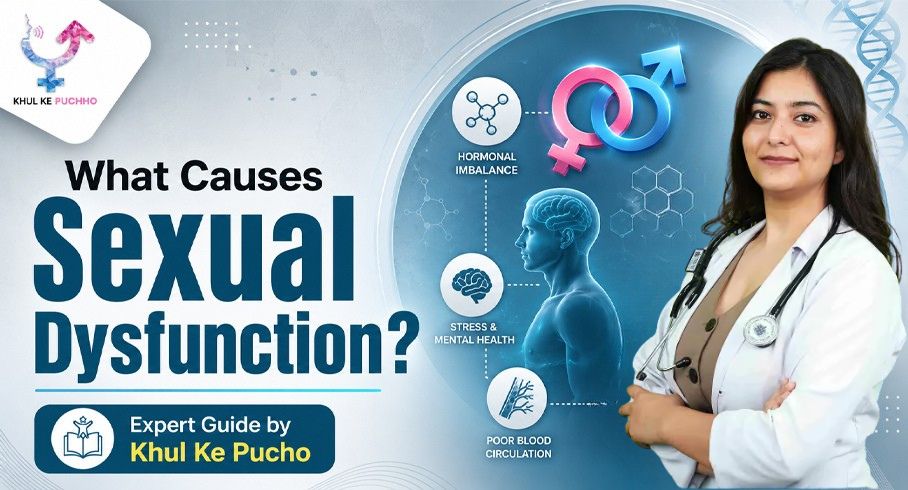
What Causes Sexual Dysfunction?
When intimacy becomes difficult, it is rarely due to just one single factor. Usually, it is a combination of your body, your mind, and your daily environment.
Physical Factors
Your physical body needs to be in a state of balance for intimacy to feel effortless.
- Hormonal Shifts: Hormones are the chemical messengers of the body. A natural drop in testosterone levels is a major cause of sexual dysfunction in men. A drop in estrogen during menopause can cause pain and low drive in women.
- Chronic disease: Conditions like diabetes, high blood pressure and heart disease damage your blood vessels over time. If blood cannot flow easily to the pelvic region, your body cannot physically respond to arousal.
- Prescription Medications: Ironically, the very drugs used to keep us healthy can cause sexual health problems. Common everyday prescriptions, like antidepressants and blood pressure pills, often interfere with the nerve signals required for intimacy.
Psychological Factors
Your brain is actually your largest sexual organ. If your mind is distracted or unhappy, your body will refuse to cooperate.
- Stress and Performance Anxiety: When you are deeply stressed about work or finances, your body floods your system with cortisol (the stress hormone). Cortisol actively shuts down your reproductive drive. Furthermore, worrying about whether you will “perform well” creates a cycle of fear that causes the body to freeze up.
- Mental Health Obstacles: Struggling with clinical depression, low self-esteem, or body image insecurities can create a massive emotional wall between you and intimacy.
- Relationship Friction: Unresolved arguments, poor everyday communication, and a lack of emotional closeness out in the living room will inevitably manifest as a physical barrier in the bedroom.
Lifestyle Triggers
- Unhealthy Habits: Heavy smoking and excessive alcohol consumption directly damage your blood vessels and lower your stamina, making it incredibly difficult for the body to maintain arousal.
- Sedentary Routines: Sitting at a desk all day without regular exercise leads to sluggish blood circulation throughout your lower body.
- Poor Sleep: Your body produces vital hormones while you sleep. If you are chronically exhausted, your hormone levels fall, leaving you too drained for romance.
Complications of Sexual Dysfunction
When left unaddressed, intimacy struggles start to affect your daily life. Dealing with constant fear of performance can destroy your self-esteem, leaving you feeling very inadequate and depressed. When couples are distant physically, an invisible wall of resentment, silent misunderstandings and emotional distance builds. Over time, the chronic stress and hormonal issues tied to these conditions can also affect fertility and put a strain on an otherwise loving partnership.
Diagnosis: How Experts Find the Cause

An expert will begin with a confidential lifestyle review to discuss your medical history, daily stress levels, and relationship health. Following this, simple blood tests are used to check your testosterone, estrogen, thyroid, and prolactin levels to catch any hidden chemical imbalances.
Finally, a routine physical exam by a specialist like a urologist or gynaecologist helps rule out structural or blood flow issues.
Expert Advice by Khul Ke Pucho
You do not have to live with this forever. Healing is entirely possible when you approach it with an open mind:
- Talk to Your Partner: Sit down with your partner and explain what you are feeling physically and emotionally. Facing the issue as a team instantly lowers performance anxiety.
- Get Professional Help: There is absolutely no shame in speaking to a urologist, a gynaecologist, or a certified sex therapist. These professionals handle these issues every single day and can offer real, life-changing solutions.
- Focus on Small Lifestyle Wins: Start moving your body more to improve pelvic blood flow, aim for seven to eight hours of good sleep and practice simple relaxation techniques to lower your daily stress levels.
Conclusion
Dealing with sexual dysfunction can feel isolating, but it is a medical challenge that millions of people face and overcome every single year. True health means taking care of every single part of yourself, including your intimate life.
You do not have to navigate this road alone or feel embarrassed about your questions. By booking a consultation with a supportive and completely judgement free space like Khul Ke Pucho, you can find the expert advice you need to understand your body, heal your relationships, and reclaim your natural vitality with total confidence.

FAQs
Q1. Is sexual dysfunction permanent?
Ans. No, in most cases, it is completely treatable or reversible once the underlying physical, psychological, or lifestyle root cause is properly identified and managed.
Q2. Can stress at work cause problems in the bedroom?
Ans. Yes, high stress triggers the release of the hormone cortisol, which actively lowers your sex drive and creates mental performance anxiety that stops the body from relaxing.
Q3. When should I see a doctor for intimacy issues?
Ans. You should consult a professional, such as a urologist, gynaecologist, or sex therapist, if your symptoms last for more than a few weeks and cause personal or relationship distress.
Q4. Can everyday medications affect my sexual health?
Ans. Yes, several common prescription drugs, especially antidepressants, antihistamines, and blood pressure medications, can interfere with your hormones and nerve signals.
Q5. How does physical exercise help with sexual dysfunction?
Ans. Regular exercise reduces everyday stress and drastically improves blood circulation throughout the body, ensuring healthy blood flow to the pelvic region during intimacy.