
Sperm health matters for every man planning a family. The good news is that the body makes new sperm all the time. In fact, a full cycle takes about 2 to 3 months. So small, steady changes can make a real difference. Knowing how to increase sperm count starts with your plate and your daily routine.
Still, sperm health needs more attention today. A global review of 223 studies found that average sperm concentration fell by about 51.6% between 1973 and 2018. This blog covers helpful foods, lifestyle changes, Ayurvedic herbs, and when to see an expert.
What Is a Low Sperm Count?
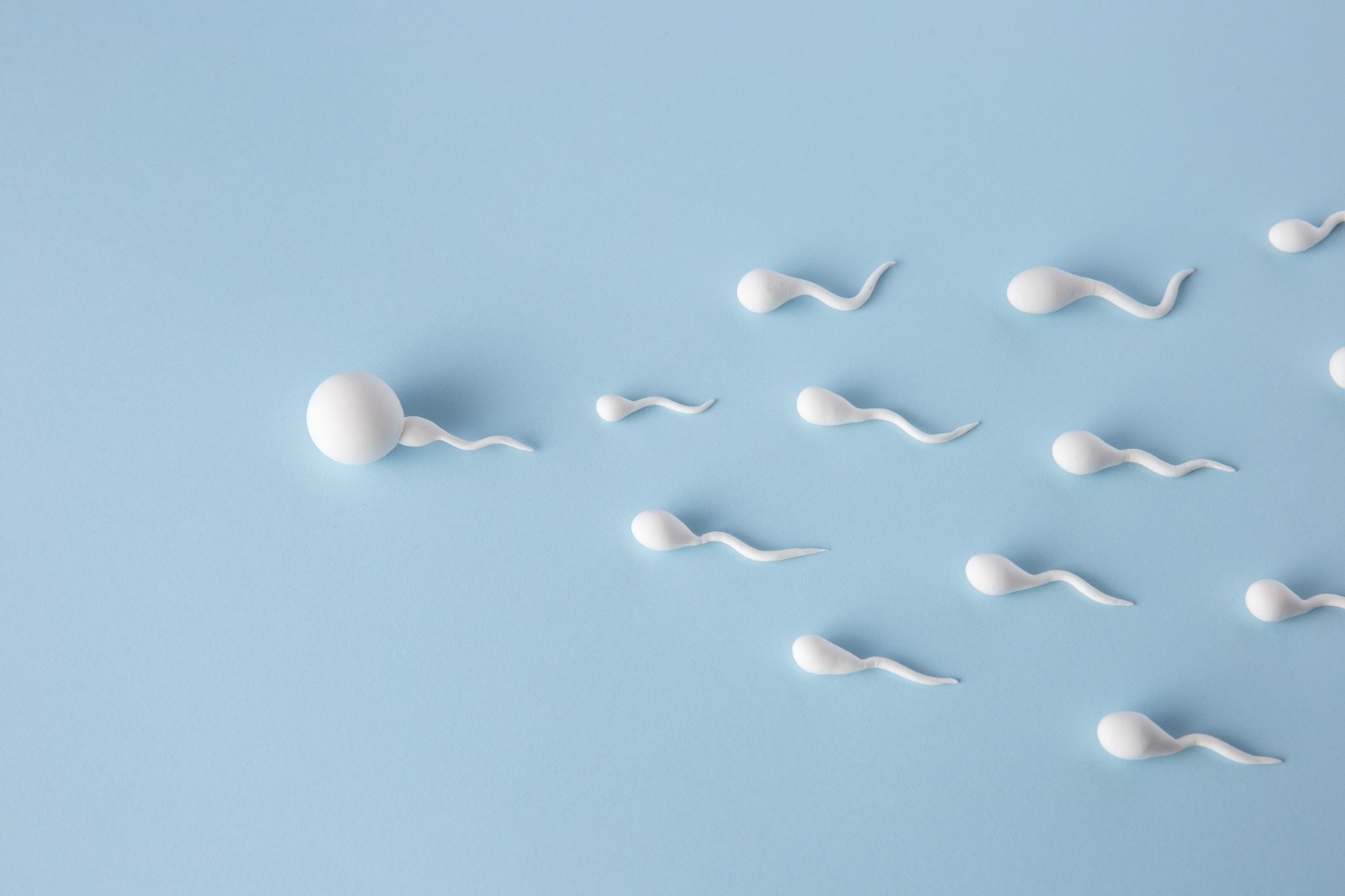
A low sperm count means fewer sperm in the semen than normal. As per WHO limits, fewer than 15 million sperm per ml counts as low.
However, count is only one part of the picture. Doctors also check motility, or how well sperm swim, and morphology, or their shape. Therefore, all three matter for pregnancy.
Yet a low count usually causes no symptoms. As a result, most men find out only through a semen test when they try to conceive. That is why knowing the causes is the first step. Worried about your semen report?

What Causes Low Sperm Count?
Several everyday factors can lower sperm count. Here are the common ones.
- Heat: Sperm need a slightly cool temperature. So, using laptops on your lap, wearing tight underwear, taking hot baths, and sitting for long hours can harm sperm.
- Smoking, tobacco, and alcohol: These can damage sperm and lower their number.
- Stress and poor sleep: Both can upset male hormones, including testosterone.
- Extra weight: Body fat changes hormone balance and can reduce sperm production.
- Medical causes: Varicocele (swollen veins in the scrotum), infections, hormone problems, and some medicines can also play a part.
The good news is that you can change many of these. Food is a good place to start.
How to Increase Sperm Count with the Right Foods
Many men search online for ‘sperm count kaise badhaye’ or ‘shukranu badhane ke upay’. Often, the answer starts in the kitchen. These sattvic foods give the body what it needs to make healthy sperm.
-
Nuts and Seeds
Walnuts, almonds, pumpkin seeds, and flaxseeds provide healthy fats, zinc, and vitamin E. Research backs them too. The FERTINUTS trial gave 119 healthy men 60 g of mixed nuts every day for 14 weeks. Their sperm count rose by about 16%, with small gains in movement and vitality.
-
Zinc-Rich Foods
Zinc helps the body make testosterone and sperm. Besides pumpkin seeds, good sources include sesame seeds, chickpeas, and rajma. Add one of these to your meals each day.
-
Vitamin C Fruits
Amla, oranges, guava and pomegranate are rich in vitamin C. This antioxidant protects sperm from damage. In particular, amla is useful, since Ayurveda also values it as a rejuvenating fruit.
-
Leafy Greens and Dals
Spinach, methi, and lentils provide folate. Moreover, this B vitamin supports healthy sperm DNA. So include greens and dal in your daily meals.
-
Milk, Ghee and Dates
Ayurveda sees these foods as nourishing for Shukra dhatu, the tissue linked to sperm. For example, try warm milk with two dates or a few soaked almonds at night.
-
Foods to Limit
On the other hand, some foods work against sperm health. Avoid fried and packaged food, extra sugar, and too much tea or coffee. Food works best when your daily habits support it.
Lifestyle Changes That Support Sperm Health

Daily habits affect sperm as much as food does. In fact, many of the common causes of low sperm count come from routine habits. The good news is that you can change them.
-
Keep the Area Cool
The testicles sit outside the body for a reason. Sperm grow best at a temperature slightly below body heat. So wear loose cotton underwear instead of tight briefs. Also, keep the laptop off your lap, and avoid long hot baths or saunas. If your job involves long hours of sitting, stand up and walk for a few minutes every hour.
-
Exercise Regularly
Regular exercise improves blood flow and supports healthy testosterone. For example, try 30–40 minutes of brisk walking, cycling, or light strength training on most days. However, avoid intense training without rest, because it can stress the body and lower sperm count.
-
Reach a Healthy Weight
Extra body fat turns some testosterone into estrogen. As a result, sperm production can drop. Additionally, losing even a few kilos through diet and exercise can help restore hormone balance.
-
Quit Smoking and Limit Alcohol
Smoking and tobacco can damage sperm DNA and reduce sperm movement. Similarly, regular drinking lowers testosterone. So quitting tobacco and cutting back on alcohol are among the most useful steps you can take.
-
Sleep Well
The body makes most of its testosterone during deep sleep. Therefore, aim for 7–8 hours every night. Moreover, sleep and wake at fixed times, and keep screens away for an hour before bed.
-
Manage Stress with Yoga and Pranayama
Long-term stress raises cortisol which can lower testosterone. Yoga helps calm this response. Bhujangasana and Sarvangasana improve blood flow to the pelvic area. Meanwhile, Anulom-Vilom and Bhramari calm the mind. Even 15–20 minutes a day can help.
-
Avoid Very Long Gaps Between Ejaculation
Long gaps can affect sperm movement, since older sperm build up. On the other hand, very frequent ejaculation can lower the count in each sample. A gap of 2–3 days works well for most couples trying to conceive.
Remember, sperm take about 3 months to form. So for anyone learning how to increase sperm count, patience matters. Stay with these habits for at least that long. Ayurveda adds one more layer of support through herbs.
Ayurvedic Herbs for Sperm Count and Motility
Ayurveda says sperm come from Shukra dhatu, the last and most refined body tissue. The body builds it from good digestion. So, weak agni (digestive fire), stress, and imbalanced Vata can weaken sperm health. Ayurveda has a full branch for this called Vajikarana, which focuses on strength and fertility.
These herbs are traditionally used to support sperm health:
- Ashwagandha: It eases stress and supports male hormones. In fact, a placebo-controlled study gave Ashwagandha to 46 men with low sperm counts. After 90 days, sperm count rose by 167% and sperm movement by 57%.
- Kaunch Beej: It supports sperm count and movement, along with desire and mood.
- Shatavari: This cooling herb nourishes Shukra dhatu.
- Safed Musli: It is a classic Vajikarana herb for stamina and strength.
- Gokshura: It supports male reproductive health and the urinary tract.
- Shilajit: It supports energy and healthy testosterone levels.
Panchakarma can also help. Basti balances Vata, while Virechana clears ama, or toxins. The doctor picks the right procedure after a check-up.
Take these herbs only under a doctor’s guidance. Sometimes, though, home care is not enough, and expert help is the next step.
Expert Tips: When to See a Doctor for Low Sperm Count Treatment
See a doctor if you have tried for 12 months without a pregnancy. Get checked sooner if you have pain or swelling in the testicles, low desire, or a past injury there.
First, the doctor usually suggests a semen analysis. After that, hormone tests may follow. These results help decide the right low sperm count treatment.
Khul Ke Pucho follows Ayurvedic principles and a root-cause approach to sexual wellness. Its doctors and wellness counsellors review your reports, habits, and stress. Then they plan your diet, herbs, and daily routine.
Ayurvedic care can support the body alongside male infertility treatment from a specialist. Every plan comes after a check-up, and results vary from person to person.
Want to explore Ayurvedic care? Connect with Khul Ke Pucho Ayurvedic experts in a private consultation.

Conclusion
Low sperm count is common and often linked to heat, habits, stress, and diet. Nuts, zinc-rich foods, vitamin C fruits, and greens help nourish sperm. A cooler, active and stress-free lifestyle supports them further. Ayurveda adds Vajikarana herbs like Ashwagandha and Kaunch Beej. Ultimately, increasing sperm count relies on maintaining steady habits for at least three months.
Every man’s body and reports are different, so his plan should be too. Talk to a Khul Ke Pucho doctor in private and get a diet and routine that suits you.
FAQs
Q1. How long does it take to increase sperm count?
Ans. Sperm take about 2–3 months to form. So most men see changes after about 3 months of steady habits.
Q2. Sperm motility kaise badhaye?
Ans. Eat nuts, seeds, and vitamin C fruits, and keep the area cool. Also, exercise regularly and quit smoking.
Q3. Which dry fruits are good for sperm count?
Ans. Walnuts, almonds, dates and pumpkin seeds are good choices. Eat a small handful daily.
Q4. Does stress affect sperm count?
Ans. Yes. Stress upsets male hormones, so yoga, pranayama and good sleep can help.
Q5. Can Ayurveda help with low sperm count?
Ans. Ayurveda supports sperm health through Vajikarana herbs, diet and Panchakarma. Take herbs only under a doctor’s guidance.