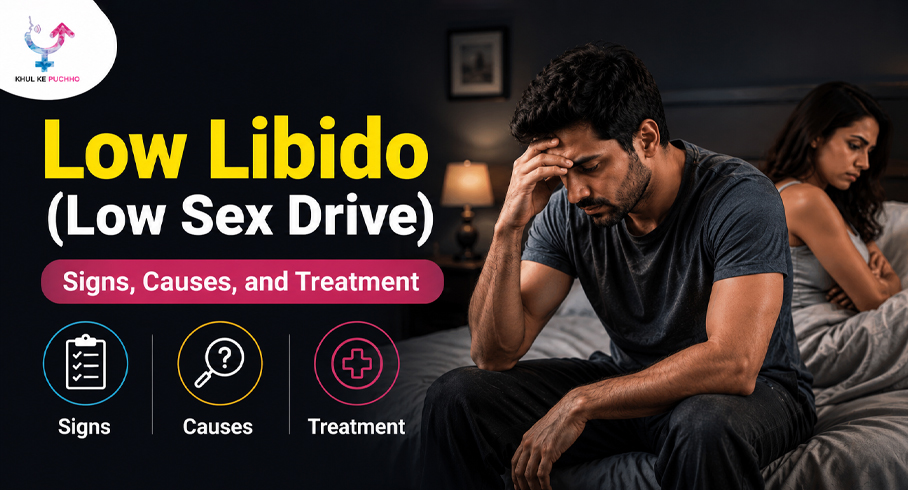
Talking about your intimate health is still something most people avoid. When you notice a sudden drop in your desire, your first reaction might be to stay silent, blame yourself, or worry that something is deeply wrong with you.
Experiencing low libido in women or men is not a personal failure, nor does it mean your relationship is failing. It is simply a clear message from your body. When you are overworked, stressed out, or dealing with hidden health changes, your body turns down intimate desire to save energy.
The good news is that you don’t have to just live with it. By dropping the shame and understanding what your body is trying to tell you, you can bring back your natural vitality. Let’s look at why low libido happens and how you can fix it safely from the roots.
What Is Low Libido?

Low libido just means a low appetite for physical intimacy. Think of it like your physical energy or your hunger, it naturally goes up and down depending on what your body is dealing with every single day.
Your desire relies on a mix of healthy hormone levels, good blood flow, steady energy, and a calm mind. When all those things are balanced, desire comes naturally. But when you are constantly tired, overwhelmed, or dealing with internal health shifts, your low libido acts like an engine running low on gas. It isn’t stuck this way forever, it just needs the right care to get back on track.
Common Signs of Low Libido
A drop in physical drive doesn’t look the same for everyone, but there are a few clear signs of low libido.
- No Intimate Thoughts: You rarely think about closeness, and the idea of intimacy hardly ever crosses your mind.
- Trouble Getting in the Mood: Even when you try to get close with your partner, your body struggles to respond naturally.
- Feeling Drained: By the time the day ends, you are so physically beat and mentally tired that intimacy feels like just another task.
- Guilt and Distance: You begin to feel anxious or guilty around your partner which gradually creates distance between you two.
What Causes Low Libido?
When your drive drops, it doesn’t happen suddenly. It almost always traces back to everyday habits or internal bodily shifts. Here are the main factors behind what causes low libido.
- Shifts in Your Hormones
Hormones act as your body’s chemical messengers. Big shifts in estrogen, progesterone, or testosterone, especially after having a baby, while breastfeeding, or during perimenopause, are major causes of low libido.
- Daily Stress and Burnout
Work pressure, household chores, and constant worrying keep your body in a state of high stress. When your mind feels like it’s constantly running a race, intimate urge is usually the very first thing your system turns off.
- Poor Sleep and Diet
If you aren’t sleeping well, sitting at a desk all day, and eating mostly processed foods, your body lacks clean energy. Without basic cellular stamina, your drive is low.
- Hidden Health Conditions
Issues like thyroid problems, diabetes, chronic pain or even certain daily medicines quietly leech away your strength, directly leading to low libido.
How to Treat Low Libido Naturally with Khul Ke Pucho
Restoring your natural drive isn’t about taking some chemical pills or looking for short-term fixes. True healing comes from fixing the root problems inside your body. Through the Khul Ke Pucho platform, you can get safe, confidential and natural care to bring your body back into balance.
Here is how a complete Ayurvedic treatment for low libido helps you rebuild your vitality.
- Natural Herbal Support
Herbs have been used for centuries to nourish reproductive health, lower stress, and build long-term strength:
- Shatavari & Ashwagandha: These herbs work together to soothe your nervous system, rebuild deep energy reserves, and balance hormones naturally.
- Gokshura & Giloy: They help clean out accumulated toxins from your body and improve blood circulation down in the pelvic region.
- Simple Dietary Changes
Food is the main source of fuel for your vitality. Eating warm, fresh, whole foods like cooked vegetables, fresh fruits, nuts, seeds, and healthy oils gives your digestive system an easy job. When your body digests food easily, it absorbs the raw nutrients needed to build everyday energy.
- Lifestyle Shifts
If stress is shutting down your desire, simple movement is one of the best fixes. You don’t need intense workouts; simple daily walks, deep breathing routines, and pelvic-focused yoga poses help lower stress hormones, relax your mind, and teach you how to increase libido naturally.
- Panchakarma Detoxification Therapy
Over time, bad digestion and stress leave behind internal toxins that make you feel heavy, sluggish, and tired. Specialised detox therapies, like Basti (herbal cleansing treatment), clear out deep-seated waste from your lower abdomen. This restores clean blood flow, refreshes your organs, and lifts your natural energy levels.
Conclusion
Experiencing low libido is completely normal, and it is nothing to feel ashamed about. It is simply your body’s way of asking for a break, better food, less stress and proper internal care.
Healing doesn’t come from ignoring the problem or pretending everything is fine. It comes from making small, healthy choices and giving your body what it actually needs to recover.
If you are struggling with low drive and don’t know where to turn, you don’t have to deal with it on your own. Take the first step toward reclaiming your health and confidence with private, natural guidance through the Khul Ke Pucho platform today.

FAQs
Q1. Does lack of sleep directly affect your intimate drive?
Ans. Yes, definitely. If you’re not getting proper sleep your body stays tired and can’t produce the right amount of hormones needed for a normal drive.
Q2. Can eating bad or heavy food everyday lower your energy levels?
Ans. Yes, eating lots of fried or heavy junk food slows down your digestion and makes you feel too lazy and bloated for any closeness.
Q3. Do I need to stop all my regular work to do Panchakarma detox?
Ans. No. These therapies are usually planned according to your free time so you can easily manage it with your daily routine.
Q4. Can talking openly with your partner help improve low drive?
Ans. Yes, sharing what you feel takes away a lot of mental pressure and guilt, which makes getting back into the mood much easier.