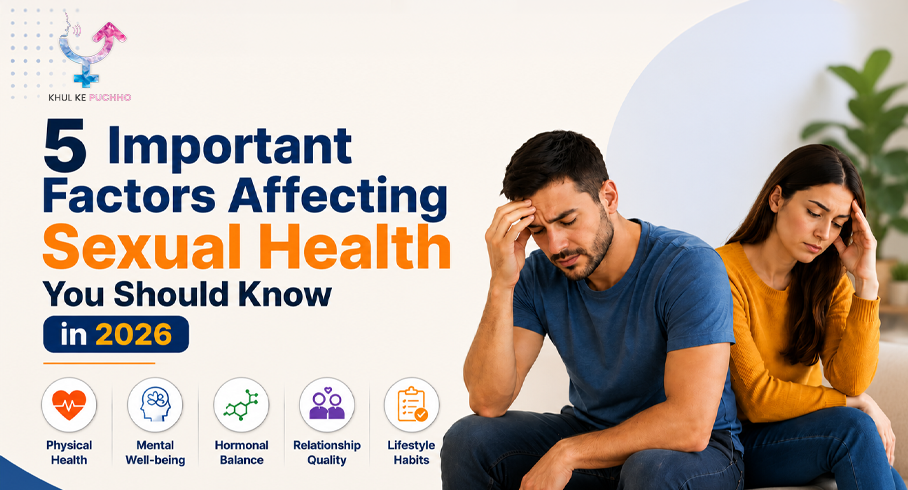
Most health conversations are about gym routines, new diets, or sleep tracking. But another important aspect of overall well-being that often gets left out of the conversation is sexual health.
For a long time social expectations dictated that intimacy is something that occurs naturally without any real effort. It’s a common assumption that if two people are in love, then everything in the bedroom will automatically be fine. But life in 2026 is busy and has daily pressures. With the rapid pace, it can be difficult for many people to have a healthy intimate life.
The truth is, the mind and body are linked. When a person faces daily stress, intimate wellness often suffers first. Knowing the core factors affecting sexual health is crucial to being able to identify these physical signs and restore balance.
Here are five key factors affecting sexual health and how they can be managed.
1. Daily Stress and Mental Exhaustion

Today, the human brain has little opportunity to take a break. Work deadlines, family responsibilities and the constant notifications on the phone keep the mind occupied at all times. This constant mental overload also ends up draining the physical body.
When the mind is always racing, the nervous system stays on high alert. The brain responds as if there is immediate danger, even if a person is just sitting at a desk worrying about an email. This state of constant worry is a major reason behind a loss of libido, which is simply a drop in the natural desire for physical closeness.
Intimacy requires a body that feels safe, calm and relaxed. When the brain is busy managing daily anxieties and a long to-do list, it cannot easily switch over to a relaxed state. Mental fatigue is a barrier that blocks natural urges.
2. Hidden Hormonal Changes
A low drive is not always the result of a long and tiring day at the office. It is often caused by subtle chemical changes occurring deep inside the body. The human system relies on a precise balance of hormones to keep mood, energy and drive in check.
Living with constant, long-term stress causes the body to produce a large amount of a hormone called cortisol. Cortisol helps the body deal with brief emergencies, but too much of it creates an internal imbalance over time. High cortisol levels can quickly throw other essential hormones, like estrogen and testosterone, completely out of order.
For those researching what causes low sex drive or experiencing sudden drops in daily energy, these hidden hormonal shifts are often the main culprit. Hormonal imbalance will naturally reduce physical desire, as the body is using most of its energy on survival and stress.
3. Physical Habits and Everyday Lifestyle Choices

Daily choices build the baseline for how the body functions. Every day energy levels are a direct result of what a person eats, how much they move, and how well they rest. Leading a lifestyle that leaves a person physically drained is one of the main factors affecting sexual health.
For example, eating mostly processed foods and sitting down too much can slow down blood circulation. Proper blood circulation is completely necessary for physical responsiveness and stamina. And when the body is not moving enough, it naturally feels sluggish and tired. Simple daily habits such as walking daily, drinking enough water and eating less heavy food can help the blood circulate better and make the body feel lively and responsive again.
4. Digital Distractions and Relationship Patterns

In 2026, digital technology is everywhere. People are more connected to the wider world than ever before, but this often means they are less connected to the person sitting right next to them. It is incredibly common for couples to sit on the same couch, side-by-side, while staring into two entirely different screens.
This digital distance slowly builds an emotional wall between partners. Physical closeness relies very heavily on emotional closeness. If a relationship has unresolved arguments, hidden tension, or a general sense of loneliness, it naturally creates physical distance. When couples stop sharing small, quiet moments throughout the day then intimacy can begin to feel like a chore instead of a natural expression of connection.
5. The Fear of Speaking Up

Perhaps the greatest obstacle to dealing with intimacy issues is the simple unwillingness to talk about them. Many people choose to suffer in silence because of old social taboos. They feel embarrassed to talk to their partners, and they feel even more nervous about bringing the topic up to a medical professional. Many worry that they are entirely alone in this struggle.
Ignoring a physical or emotional change never makes it go away. It only makes the anxiety bigger and more stressful inside. If people don’t seek help, little problems can turn into bigger sexual health problems, and this can impact their confidence and relationships.
Conclusion
Changes in energy and intimate desire are normal aspects of human health. Knowing the factors affecting sexual health helps us to deal with the changes that come with the ageing process without frustration. But real well-being starts when people break the silence on these sensitive topics.
Here the platform khul ke pucho acts like a friendly guide. It is a safe digital space where people can connect directly with experts for real help so they can ask openly without shame or being judged. Ignoring physical or emotional shifts only allows anxiety to grow in isolation. By opening communication channels and using dedicated resources, it becomes much easier to remove the social stigma and restore long-term balance, warmth and connection.